January 15, 2026
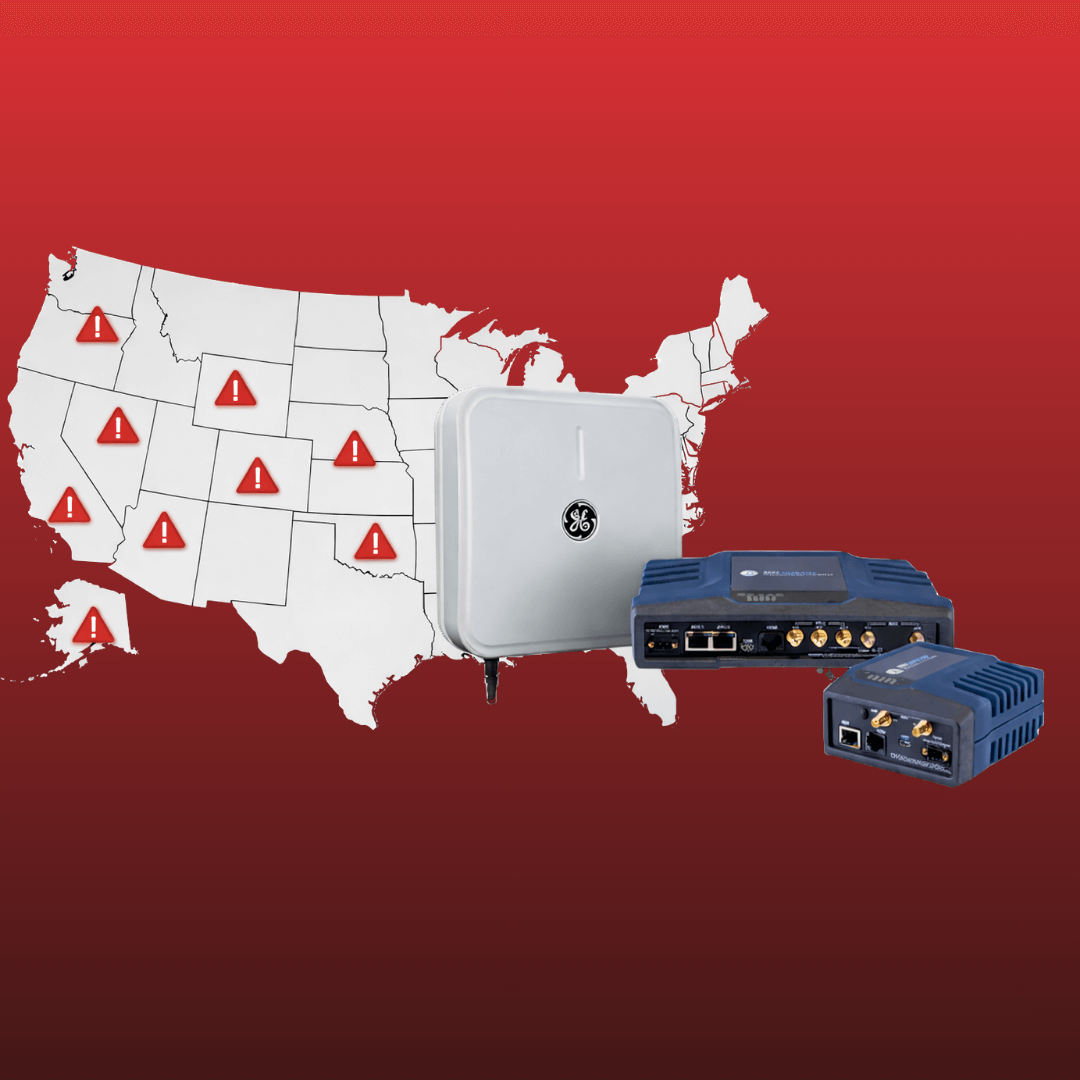
The recent Verizon cellular service disruption has affected municipalities and utilities across multiple regions. While outages are an expected reality of large communications networks, they highlight an important consideration for municipal utilities: how resilient are the communication paths supporting SCADA and remote operations?
Connectivity as a Utility Dependency
Water, wastewater, and electric utilities rely on communications networks to:
-
Monitor and control SCADA systems
-
Operate remote pumping and lift stations
-
Monitor substations and distribution assets
-
Transmit alarms and operational data
When communications are interrupted, utilities may temporarily lose visibility, control, or alarm awareness – even if the outage is brief.
The Challenge of Single-Path Communications
Many municipal systems rely primarily on a single communications method, often commercial cellular. Cellular is typically easier and more cost-effective to deploy, making it an attractive option for remote and distributed assets.
However, this approach also means that ownership and control of critical operational data and connectivity are partially offloaded to a third party. During outages, that tradeoff becomes more visible.
While cellular networks are highly reliable, they are not immune to:
-
Carrier outages
-
Fiber cuts
-
Power disruptions
-
Weather-related events
When no alternative path exists, utilities may face operational blind spots during these events.
Designing for Resilience
To reduce this risk, many utilities are moving toward hybrid communication architectures. These designs:
-
Incorporate multiple wireless technologies
-
Allow systems to fail over if one path becomes unavailable
-
Reduce dependence on a single carrier or network type
An example of this approach is the
GE Vernova MDS™ Orbit industrial communications platform, which supports cellular, licensed and unlicensed radio, and Wi-Fi within a single device. This flexibility allows utilities to design redundancy based on operational requirements rather than being limited to one network.
Why This Matters for SCADA and Operations
Resilient communications support:
-
Higher system uptime
-
Continuous alarm visibility
-
Improved operational confidence
-
Better alignment with critical infrastructure cybersecurity and reliability standards
Learning From Outages
Rather than viewing outages solely as disruptions, they can serve as stress tests for communication architectures. They help utilities identify where single points of failure exist and where additional redundancy may be warranted.
As municipal utilities continue modernizing infrastructure, communications design will remain a foundational component of system reliability – Not just during outages, but every day.
Take a moment to assess your utility communications: where are the single points of failure, and how would your systems respond during an outage?