Blog


Cement Industry Conveying and Feeding Equipment Must-Haves

February 10, 2026 | Product News
Weighing and feeding equipment is critical in the cement industry to provide accuracy, process stability, product quality, and energy efficiency. The cement industry requires robust, specialized conveying and feeding equipment to handle a variety of bulk materials, including abrasive materials ranging from limestone to fine powders. The equipment must provide continuous and precise flow of materials and operate in extremely harsh and strenuous operating conditions.

Cement manufacturers rely on rugged and durable conveying and feeding equipment in each step of the process.  They must accurately track and measure inbound raw materials (e.g., gypsum, clinker, silica and limestone) and closely monitor in-process material consumption. In addition, precise ingredient blending and accurate final-product dispatch is also critical to product quality and operational efficiency.

Conveying Equipment

Robust conveying equipment is essential, it is used to transport materials between different stages of the production process, and the distances can be far. Belt conveyors are the most common and versatile conveyors used for long-distance and high-capacity transport and continuous and precise feeding of bulk materials such as limestone, clay and clinker. These heavy-duty conveyors can be run horizontally or on an incline and utilize robust belts and components that are heat-resistant, durable and designed to withstand harsh environments. These Conveyors also often incorporate Belt Scales to continuously measure the mass flow of the bulk materials and these must also be extremely durable while able to consistently and accurately provide critical process data.

Bucket Elevators are used for vertical transport to lift materials like raw meal, clinker and finished cement from a lower point in the production process to a higher one. They are compact and have a tall lifting range to move material, such as feeding material into a grinding mill or storage silo.

Pneumatic Conveying Systems use air pressure (or vacuum) to move powdered materials (like finished cement) through sealed pipelines over long distances. They offer excellent material containment, preventing dust emissions and their pipelines can be routed around obstructions but these systems do require additional equipment including blowers and air filters.

For short-to-medium distances, Screw Conveyors can be used to transport fine, powder-like materials, such as fly ash, cement, and dust. They have a rotating screw inside a trough or tube and are ideal for controlled volumetric feeding and dust containment.

Feeding Equipment

Feeding equipment is required to extract material from storage (hoppers or silos) and to deliver it continuously and uniformly into process machines such as crushers, mills, or kilns at a precise, controlled rate.

Vibratory Loss-in-Weight Feeders are suitable for feeding bulk materials, such as coarse limestone, before they enter a crusher. Vibration is used to move and regulate the flow of the material, including irregular shapes, larger particles, pellets, and powders.

Table Feeders are used to extract and feed smaller, granular or powdery non-sticky materials from silos or hoppers with an adjustable flow rate, often for blending purposes.

More robust heavy-duty apron feeders that use metal plates (aprons) linked by chains serve to extract and feed very large, heavy and highly abrasive raw materials, such as run-of-mine ore from hoppers, especially for primary crushing applications.

Rotary Feeders can be used control the discharge rate of fine, powdered material from storage and act as an airlock in pneumatic conveying applications and to minimize cold air leakage into high-temperature systems like the raw mill inlet.

Weigh Belt Feeders

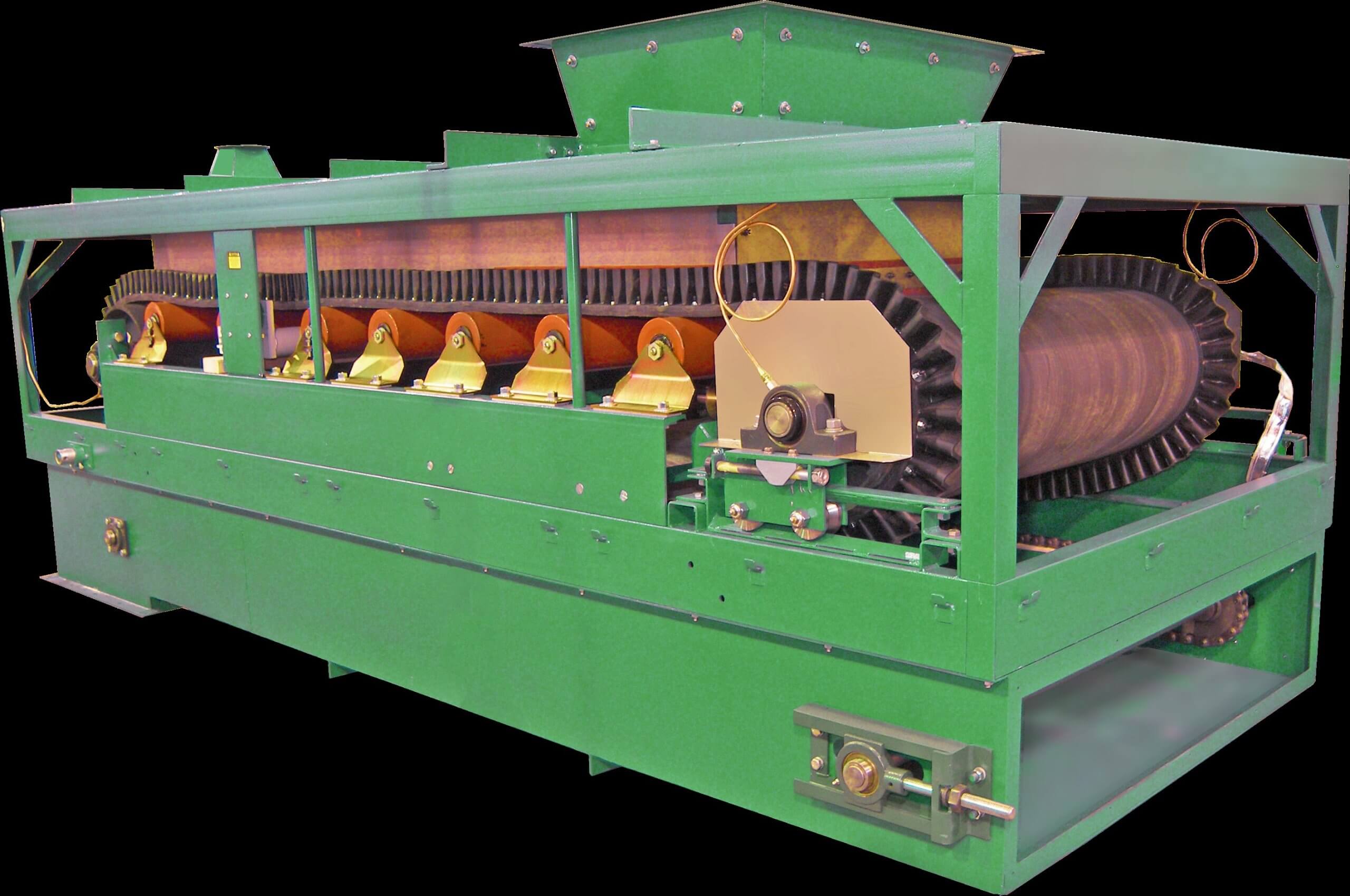
Weigh Belt Feeders (or Weigh Feeders) are ideal for a range of controlled feeding and accurate material proportioning applications. These are short, self-contained, belt conveyors that incorporate an integral belt scale and can be used to continuously monitor and control the material mass flow rate before it enters key processes (raw mill or kiln). These are critical for quality control and blend optimization. They provide high precision, are excellent for a wide range of feed rates and suitable for blended cement production.

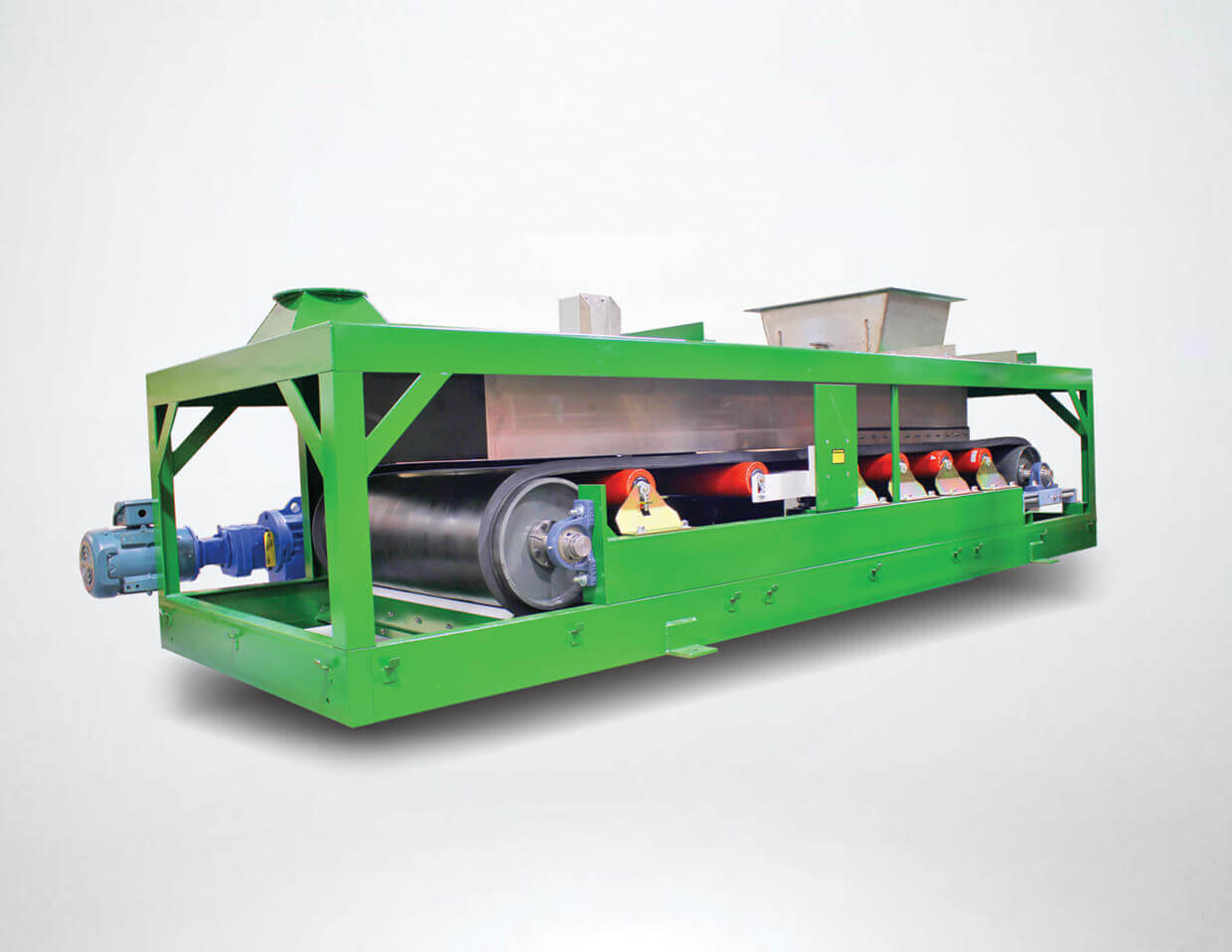
Originally developed in the 1970s for the cement industry, Thayer Scale’s Model MD & MDL feeders are extremely rugged weigh belt feeders commonly used across many heavy industrial applications. These Weigh Belt Feeders are proven to withstand extreme environmental conditions, including abrasive dusts, corrosive fumes, wide temperature fluctuations and vibrations – without any detrimental effects to performance or accuracy. With the Model MD being able to handle flow rates between 2 – 400 STPH and the MDL being specifically designed for the lower end of that range, both styles of feeder offer a range of rugged weigh belt options ideally suited for harsh industrial environments.

The Model MD and MDL are suitable for heavy, compacted, high bulk density materials of all particle sizes. They are the ideal feeders for medium to high feed rates for both general and heavy industrial applications.
Built to Survive

Recently, Neal Systems sold a replacement Weigh Belt Feeder to replace a unit originally installed in 2008 in a harsh outdoor cement production environment. Being “Built to Survive” this equipment had been running well for nearly twenty years, providing accurate rate measurement. After many years of reliable service, the frame of the feeder was beginning to succumb to corrosion under the harsh operating conditions. The replacement unit was upgraded to a full stainless-steel frame construction, which will result in an even longer service life   

The Weigh Belt Feeder, a Model MD-24-TM, is used to meter iron ore into the production process. Iron ore is added to cement to enhance its strength and accelerate the hydration process. As a fluxing agent, iron ore helps chemical reactions with calcium and aluminum during high-temperature processing, forming compounds like tricalcium aluminoferrite, which contributes to the hardness and strength of the cement.

This manufacturer uses several other Weigh Belt Feeders and Conveyor Belt Scales in their cement product process to handle materials like limestone, gypsum, clinker, petroleum, coke, slag, fly ash, all used to create a variety of construction materials.

In addition to the cement industry weighing and feeding equipment is used throughout a wide range of industries and bulk material handling applications and it is essential to have the correct equipment in place to ensure the accurate and precise flow control of material at every stage of your process.

To learn more about how Neal Systems and Thayer Scale can help with your Weighing and Feeding needs, please contact us here.


It’s Official: Neal Systems Acquires New England Temperature Solutions (NETS)

February 3, 2026 | Company News


image placeholder


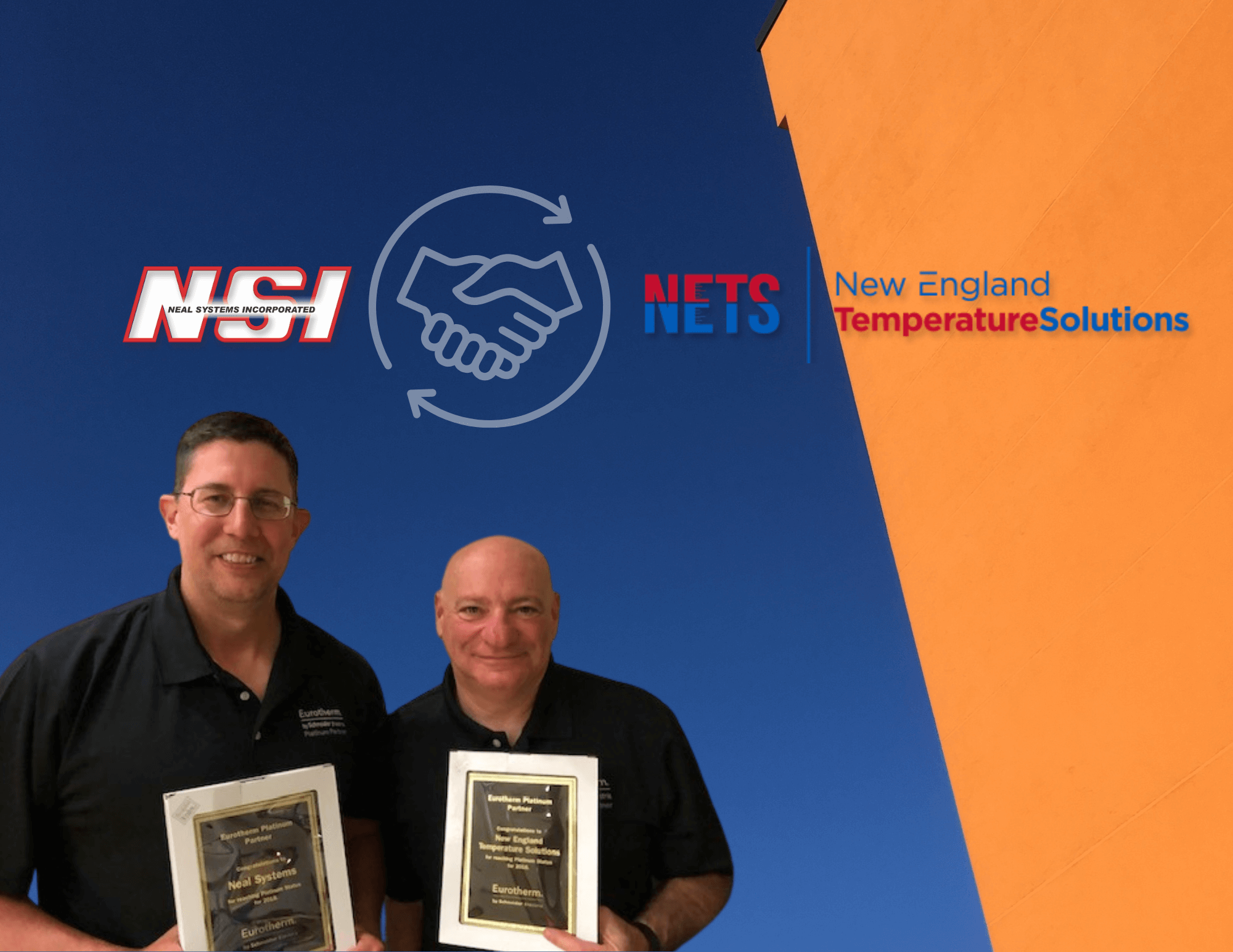
We’re excited to officially share that Neal Systems has acquired New England Temperature Solutions (NETS), owned by our longtime friend, Dominick Deluca.

This acquisition was finalized on January 1, 2026, and represents and exciting  new chapter for both companies and our customers. Click here to see our initial announcement.

Why NETS?

For years, NETS has built a strong reputation for technical knowledge, customer trust, and having fun along the way. That approach aligns closely with how we operate at NSI.

Dominick recently sat down with Dave Neal (Owner) and Shane Filer (President) to discuss why this partnership makes sense, what it means for customers, and where we’re headed next. Watch the conversation — there’s even some humor in the second half.


Who is NSI?

We combine engineering expertise, best-in-class products, and practical solutions to help our customers meet their process and control needs. Our team provides support every step of the way:

⮞ Application guidance & instrumentation selection

⮞ Calibration & preventative maintenance

⮞ Installation & commissioning

⮞ Engineering services


Meet Our Team

We’d like to introduce some members of our team and welcome a new engineer who has joined us from NETS.

These are the folks who provide application guidance, technical support, and solutions that our customers rely on everyday.

See more faces behind NSI’s customer care, applications, solutions, service, and leadership teams on our Team page.


Curious how we work? Watch The NSI Story to get an inside look at our team, our approach, and what drives the way we deliver solutions for our customers.

 
The Neal Systems Story


We’re excited about what’s ahead and look forward to continuing to deliver the expert solutions, technical support, and hands-on guidance you’ve relied on, strengthened by the expanded capabilities of our combined team.

— The Neal Systems Team

Questions? Contact us here.


New Podcast Episode: From Crown to Patriot – Meet Neal Systems

January 27, 2026 | Company News

We’re excited to share the latest episode from the NETS podcast — Episode 17: From Crown to Patriot – Meet Neal Systems!

This special episode marks a milestone moment: the official transition of the NETS business to Neal Systems, effective January 1, 2026.

What’s Inside This Episode

In this final installment of the NETS podcast for the year, host Dominick DeLuca sits down with Dave Neal and Shane Filer — leaders from Neal Systems — to talk about:

  • What the acquisition means for customers, partners, and our team.

  • Meet the Neal Systems leadership & team: Dave and Shane’s backgrounds and vision.

  • Expanded engineering depth and capabilities your business can now tap into.

  • Continuity and support: key NETS team members continuing to serve you.

  • A fun, unexpected second half packed with laughs, culture stories, and banter.

Whether you’re an existing customer, partner, or longtime podcast listener, this episode gives you an honest, insightful look at what’s next for New England and NSI — and why the transition sets the stage for even greater technical support and regional service.

Episode 17: From Crown to Patriot – Meet Neal Systems

Episode 17: From Crown to Patriot – Meet Neal Systems


What a Cellular Outage Reveals About Municipal Utility Communications

January 15, 2026 | Company NewsProduct News

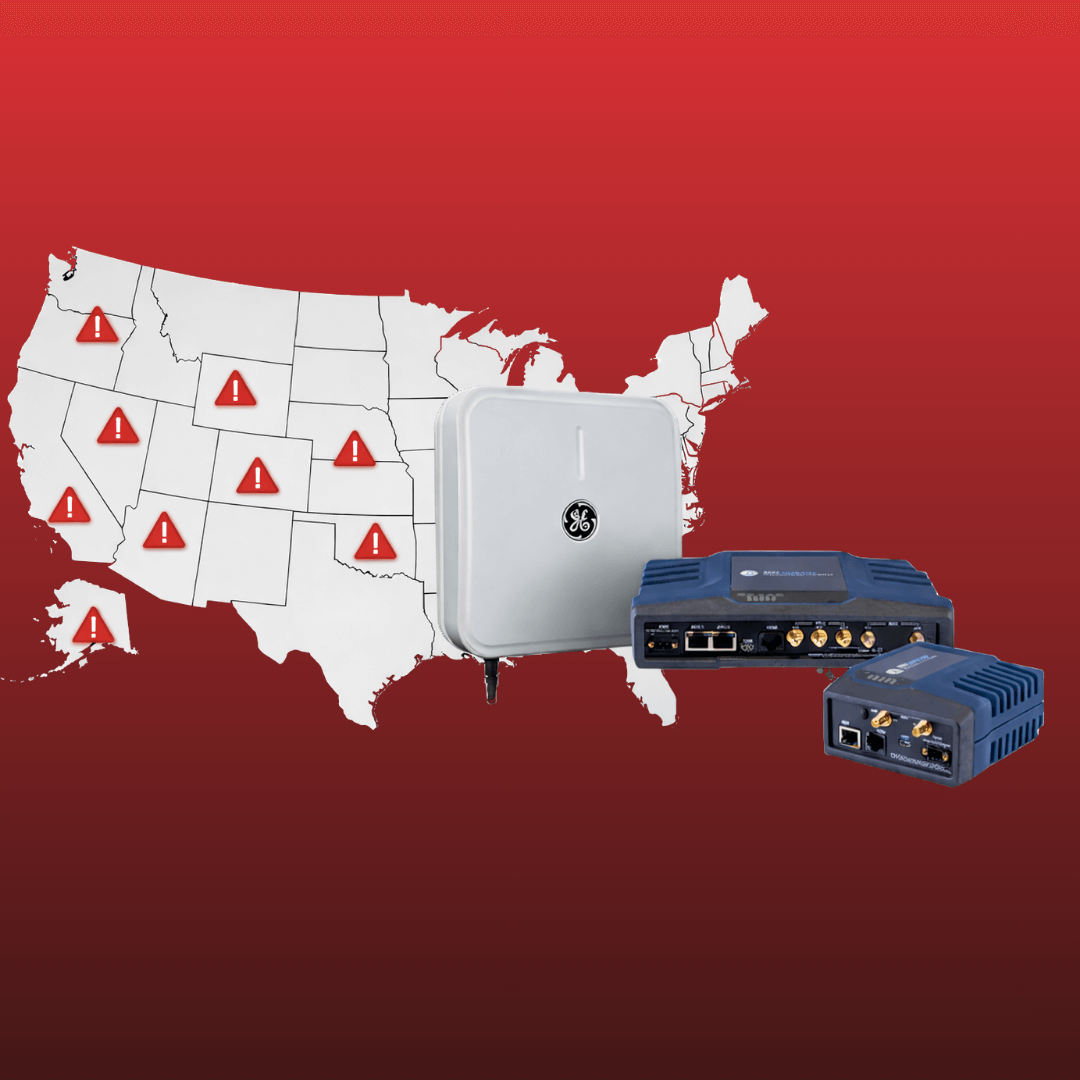
The recent Verizon cellular service disruption has affected municipalities and utilities across multiple regions. While outages are an expected reality of large communications networks, they highlight an important consideration for municipal utilities: how resilient are the communication paths supporting SCADA and remote operations?


Connectivity as a Utility Dependency

Water, wastewater, and electric utilities rely on communications networks to:
 
  • Monitor and control SCADA systems

  • Operate remote pumping and lift stations

  • Monitor substations and distribution assets

  • Transmit alarms and operational data

When communications are interrupted, utilities may temporarily lose visibility, control, or alarm awareness – even if the outage is brief.
 

The Challenge of Single-Path Communications

Many municipal systems rely primarily on a single communications method, often commercial cellular. Cellular is typically easier and more cost-effective to deploy, making it an attractive option for remote and distributed assets.

However, this approach also means that ownership and control of critical operational data and connectivity are partially offloaded to a third party. During outages, that tradeoff becomes more visible.

While cellular networks are highly reliable, they are not immune to:

  • Carrier outages

  • Fiber cuts

  • Power disruptions

  • Weather-related events

When no alternative path exists, utilities may face operational blind spots during these events.
 

Designing for Resilience

To reduce this risk, many utilities are moving toward hybrid communication architectures. These designs:
 
  • Incorporate multiple wireless technologies

  • Allow systems to fail over if one path becomes unavailable

  • Reduce dependence on a single carrier or network type

An example of this approach is the GE Vernova MDS™ Orbit industrial communications platform, which supports cellular, licensed and unlicensed radio, and Wi-Fi within a single device. This flexibility allows utilities to design redundancy based on operational requirements rather than being limited to one network.
 

Why This Matters for SCADA and Operations

Resilient communications support:
 
  • Higher system uptime

  • Continuous alarm visibility

  • Improved operational confidence

  • Better alignment with critical infrastructure cybersecurity and reliability standards


Learning From Outages

Rather than viewing outages solely as disruptions, they can serve as stress tests for communication architectures. They help utilities identify where single points of failure exist and where additional redundancy may be warranted.
 
As municipal utilities continue modernizing infrastructure, communications design will remain a foundational component of system reliability – Not just during outages, but every day.
 
Take a moment to assess your utility communications: where are the single points of failure, and how would your systems respond during an outage?


Neal Systems to Acquire New England Temperature Solutions — Expanding Our Expertise in Temperature Control

November 3, 2025 | Company News

 
We’re thrilled to share some exciting news — Neal Systems is acquiring New England Temperature Solutions (NETS), owned by our longtime friend Dominic Deluca. The acquisition will be finalized on January 1st, 2026, marking an exciting new chapter for both companies and our customers.
 
This partnership will help us achieve several key goals:
  • Expanded Temperature Expertise: We’re growing our capabilities with Watlow and Eurotherm process heaters, controllers, and power controllers.
  • New Team Members: We’re thrilled to welcome multiple star players — Paul Chamberlain (Sales), Andy Bowser (Application Engineering), and Lisa Mattarese (Customer Service)
  • Valuable Technical Resources: Dom’s incredible collection of how-to videos and educational content will continue to benefit our customers and team.
  • A New Home Base: Our new Attleboro, Massachusetts office will strengthen our support for New England and open up opportunities for continued growth.
With these additions, Neal Systems is strengthening its ability to serve customers across the Northeast — with even more amazing customer service and technical know-how to our ever-expanding customer base.
 
We look forward to sharing more updates as we integrate our teams and expand our capabilities.
 
Stay tuned for more details coming soon.

E-Newsletter Sign Up